Why Your Weight Loss Journey Should Focus on Fat Mass, Not Just Scale Weight
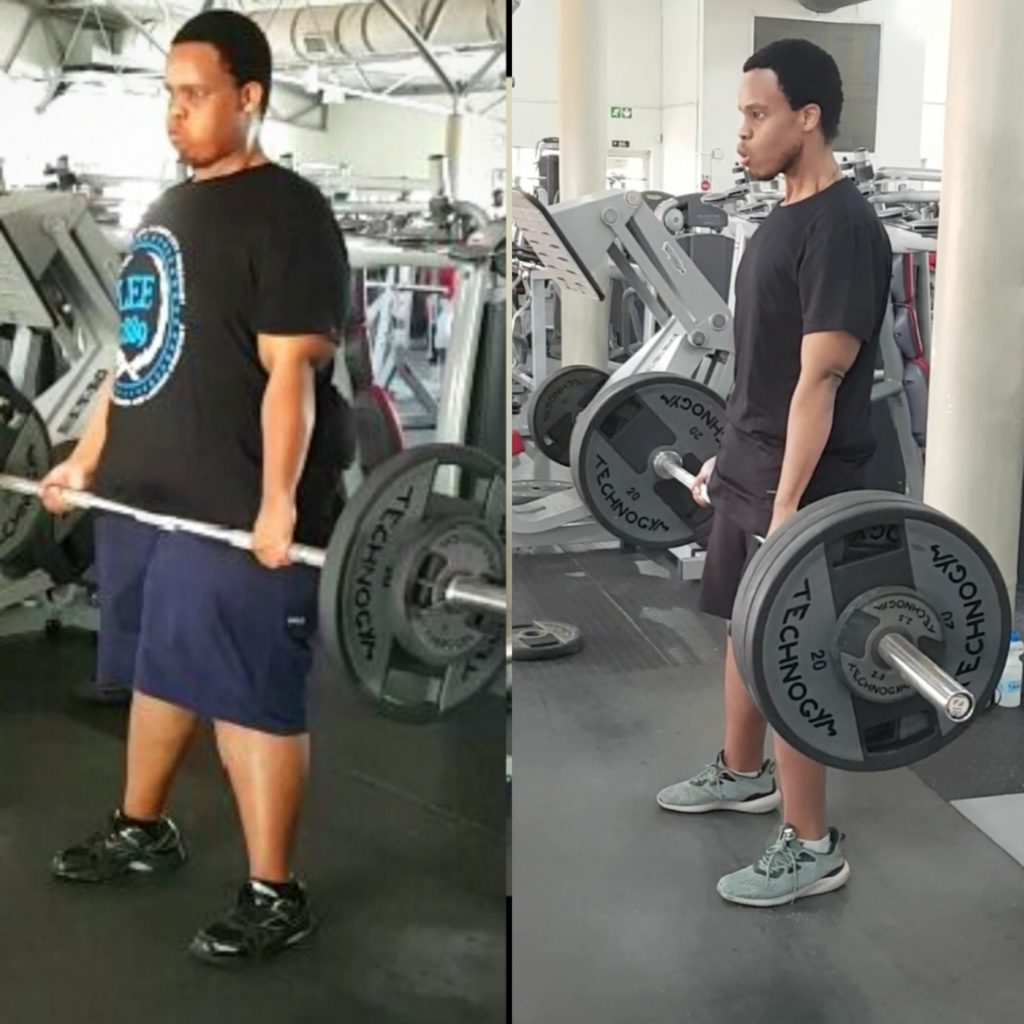
When embarking on a weight loss journey, it’s tempting to focus solely on the number on the scale. However, true fitness and health go beyond just losing weight. It’s crucial to consider your fat mass vs. muscle mass ratio. This distinction can make all the difference in achieving long-term health and a fit physique. The Misleading Nature of Scale Weight Your body weight includes muscle, fat, bones, and water. A scale doesn’t differentiate between these components. Consequently, two people with the same weight can look and feel vastly different depending on their body composition. Research has shown that focusing on reducing fat mass while preserving or increasing muscle mass leads to better health outcomes. A study published in the **American Journal of Clinical Nutrition** found that maintaining muscle mass while losing weight improved metabolic health more significantly than weight loss alone . Benefits of Monitoring Fat Mass and Muscle Mass 1. **Improved Metabolic Health**: Muscle mass is metabolically active, meaning it burns more calories at rest compared to fat mass. Increasing your muscle mass can help boost your metabolism, aiding in more efficient weight management. 2. **Better Physical Appearance**: Muscle mass contributes to a toned and firm appearance. As you reduce fat and build muscle, you’ll notice a more sculpted physique, even if your scale weight doesn’t change dramatically. 3. **Enhanced Strength and Performance**: Increasing muscle mass improves strength, endurance, and overall physical performance. This is especially beneficial for those looking to engage in more strenuous activities or improve their athletic performance. How to Focus on Fat Loss Over Weight Loss 1. **Strength Training**: Incorporate resistance training into your routine. Lifting weights or using resistance bands helps build muscle and burn fat simultaneously. 2. **Nutritional Adjustments**: Ensure your diet supports muscle growth and fat loss. This typically includes high-quality protein sources, healthy fats, and a balanced intake of carbohydrates. 3. **Regular Assessments**: Use tools like body fat calipers, bioelectrical impedance scales, or DEXA scans to monitor changes in your body composition. Regular assessments will help you adjust your training and nutrition plan effectively. Seek Professional Guidance For those unsure where to start, seeking the guidance of a professional can be invaluable. If you’re looking for a “personal trainer near me” or a “personal trainer in Umhlanga,” I can provide personalized advice and support tailored to your unique needs. I will design a program that targets fat loss while promoting muscle gain, ensuring you achieve optimal results. Conclusion In conclusion, focusing on your fat mass vs. muscle mass ratio rather than just your scale weight is key to a successful and sustainable fitness journey. This approach not only enhances your physical appearance but also boosts your metabolic health and overall performance. For those in search of expert guidance, finding a “fitness gym near me” or a “personal trainer in Umhlanga” can set you on the right path to achieving your fitness goals. References: 1. Stiegler, P., & Cunliffe, A. (2006). The role of diet and exercise for the maintenance of fat-free mass and resting metabolic rate during weight loss. *Sports Medicine, 36*(3), 239-262. [Link] 2. Fogelholm, M. (2010). Physical activity, fitness and fatness: Relations to mortality, morbidity and disease risk factors. *Obesity Reviews, 11*(3), 202-221. [Link] Embark on your fitness journey today and see how focusing on fat mass vs. muscle mass can transform your health and body.
Maximizing Results: The Power of 30-Minute Workouts for Busy Professionals
In today’s fast-paced world, finding time to prioritize our health and fitness can feel like an uphill battle, especially for busy professionals juggling demanding schedules. However, what if I told you that achieving your fitness goals doesn’t require hours spent in the gym each day? With my private, in-studio personal training sessions tailored specifically for business professionals like you, we’re unlocking the secret to maximizing results in just 30 minutes, two to three times a week. Let’s dive into the benefits of these efficient workouts and how they can transform your fitness journey, all while fitting seamlessly into your busy lifestyle. In conclusion, don’t let a busy schedule be an excuse to neglect your health and fitness goals. With my private, in-studio personal training sessions, we’re making it easier than ever for busy professionals like you to prioritize your well-being and achieve remarkable results in just 30 minutes, two to three times a week. Are you ready to transform your fitness journey and unlock your full potential? Reach out to schedule your first session today. Your health is your greatest asset—let’s invest in it together. Personal Training is offered in The Centre of Pain Relief and Wellness at The Durban Pain Clinic. Allurion Health with the intragastric balloon therapy is also offered for extra health benefits and weight loss.
Don’t Be a Johnny Bravo!
Massive chests, bulging biceps, v taper torsos…..sounds like the perfect physique, until you get to a pair of chicken legs and tinier calves. Sad and unfortunately very common. What is also common is that these “Adonises” will be seen wearing very revealing vests, yet with a pair of very long pants. I wonder why? Why should one train their legs as a foundation? 1. Strength. 2. Fat loss. 3. Caloric Burn 4. Mobility. 5. Athleticism. 6. Power Etc. Etc. Etc. When you train the larger muscle groups you create more of a overall body stimulus, muscle fiber recruitment, hormonal response and caloric burn which all help with burning fat, getting stronger and gaining muscle. Plus the added benefit of exercises such as the deadlift/squat is that they have an “irradiation effect,” meaning that they make one stronger in other exercises too. Think of your leg training like building rhe foundation to a house, you wouldn’t want a great roof if you had no structure to support it. So why bother with huge arms and a massive chest if everything else is out of proportion? It reminds me of the cartoon Johnny Bravo. Where a big muscle-head type of guy runs around with a huge torso and tiny legs, trying to pick up chicks. Dont be a Johnny Bravo! Beyond a Johnny Bravo syndrome is the Johnny Bravo mindset. This mindset often looks for the easy way out and neglects foundations, principles, hard work and logic. Not to say that all of the above isn’t used in upper body exercising, but a pair of well developed legs reveals a bottoms up approach. What is often most common amongst trainees who forgo their squat day is that these exercises are just “too hard.” Yet they’ll manage an arm day twice a week and so only train what they see in the mirror. Balance: A posterior chain (glutes/hammies/erector spinae) is critical to athletic performance and one who only focus on the mirror muscles will neglect his/her power station and possibly increase his/her risk of injury. Methods: Although getting strong and lifting a decent weight is important for building muscle, other rep ranges can help vary a routine and build a decent pair of legs. High Reps: High reps ranging from 20 plus can work as awesome finishers, involving pain and pant splitting pumps. Low Reps: Low reps such as 1 – 3 are effective for developing a nervous system adaptation. This is an important phase to train through. So when you return to lighter weights, you can do a lot more reps than before. 5 – 7 as a rep range can be key for building muscles and recruiting the muscle fibers with the greatest potential for muscle growth. Medium reps: Overall 6 – 12 may be the most optimum range to work through over time. All muscles involve a mixture of muscle fiber types, but the quads tend to involve a higher percentage of your endurance fibers. Meaning that they respond well to higher reps after getting a strong foundation. Calves involve a higher percentage of your power fibers, so do heavy weights. The soleus involves the endurance types, so lots of reps. Do one day heavy, then another medium, then light etc. Hamstrings are a mix, but the biceps femoris (involved with bending/flexing the knee) works well with heavier weights. Compound movements: Deep squats are a no brainer for the king of legs. However leg presses, deadlifts, lunges and all of their variations are fantastic too. The types involved could easily fit into another article altogether. Isolation movements: Leg Extensions, leg curls, abduction/adduction movements etc all work too, also making good finishers and to help with correcting weak points in the body. Conclusion: At the end of the day, work your legs just as hard as your biceps and work through a variety of rep ranges and exercises. If you aren’t strong yet, then do movements that revolve around a squat, lunge and a deadlift as the base to your house. The rest follows from there. Challenge: So I issue you a challenge! Spend the next 8 weeks doing legs twice a week with 4 – 6 “working sets” per session. Then watch what a difference this does to your body composition, strength and athleticism! If you’re a beginner then expect to add 10 kilos to your squat. So if you’ve been neglecting your legs, then give this a try! “Size without shape is grotesque.” ~ Vince Gironda, the Iron Guru. “Trainer of the Stars” (trainer of Larry Scott, Arnold Schwarzenegger, Clint Eastwood etc.) “Far too many bodybuilders spend too much time exercising the smaller muscle groups such as the biceps at the expense of the larger muscle groups such as the thighs, and then they wonder why it is that they never make gains in overall size and strength.” ~ Reg Park (3 times Mr Universe, idol to Arnold Schwarzenegger)
 WhatsApp Me